In today’s global logistics system, trucks are the backbone of land-based freight transportation. From intercontinental container movement to mining operations and last-mile delivery, heavy-duty trucks carry the majority of global commercial goods.
However, the global truck industry is far from uniform. It is a highly regionalized ecosystem shaped by geography, regulation, infrastructure, and industrial history.
1. Global Truck Market Landscape
The global truck market can generally be divided into four major regions, each with distinct engineering philosophies and operating environments.

Europe: Efficiency-Driven Engineering Market
Europe represents one of the most advanced and regulated truck markets in the world.
Key manufacturers include:
- Volvo Group
- Scania
- Daimler Truck
- MAN Truck & Bus
Characteristics of the European market:
- Extremely strict emission regulations (Euro VI and beyond)
- High focus on fuel efficiency and aerodynamics
- Predominantly high-speed highway logistics
- Advanced electronics and driver assistance systems
European trucks are essentially “system-optimized machines” designed for efficiency and compliance.

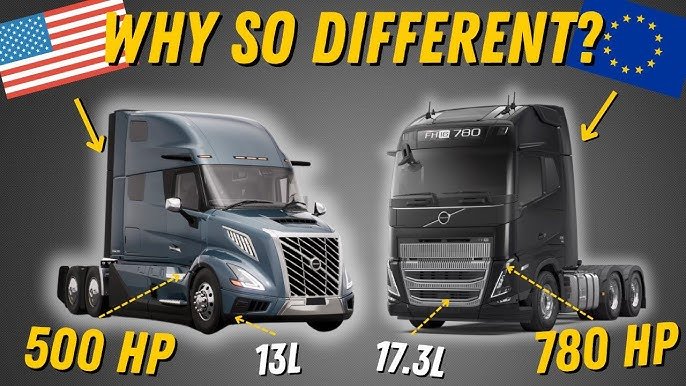
North America: High Horsepower Long-Haul Dominance
North America is dominated by long-distance freight transportation across vast interstate highways.
Key manufacturers include:
- Paccar (Kenworth, Peterbilt)
- Freightliner
- Navistar
Key features:
- Long-haul interstate trucking culture
- High engine displacement and torque output
- Emphasis on driver comfort (cab living space)
- More relaxed vehicle design constraints compared to Europe
In this region, reliability and power output are often prioritized over compact efficiency.
China: The Largest and Fastest-Growing Market
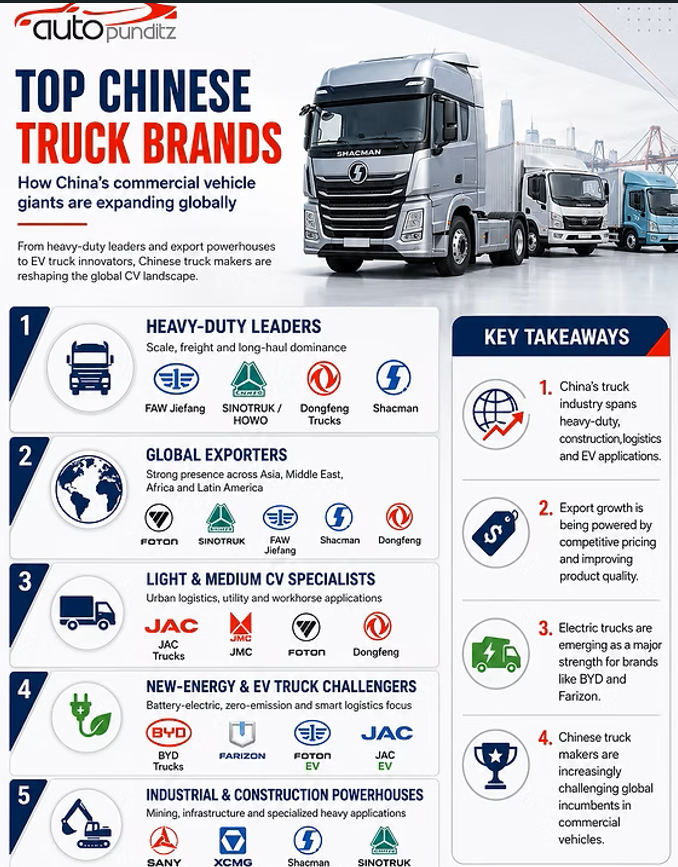
China is currently the largest commercial vehicle market in the world.
Major manufacturers include domestic OEMs such as FAW, Dongfeng, and Sinotruk.
Key characteristics:
- Large-scale infrastructure-driven demand
- Rapid logistics expansion and urbanization
- Strong transition toward new energy and automation
- Increasing adoption of globally sourced powertrain technologies
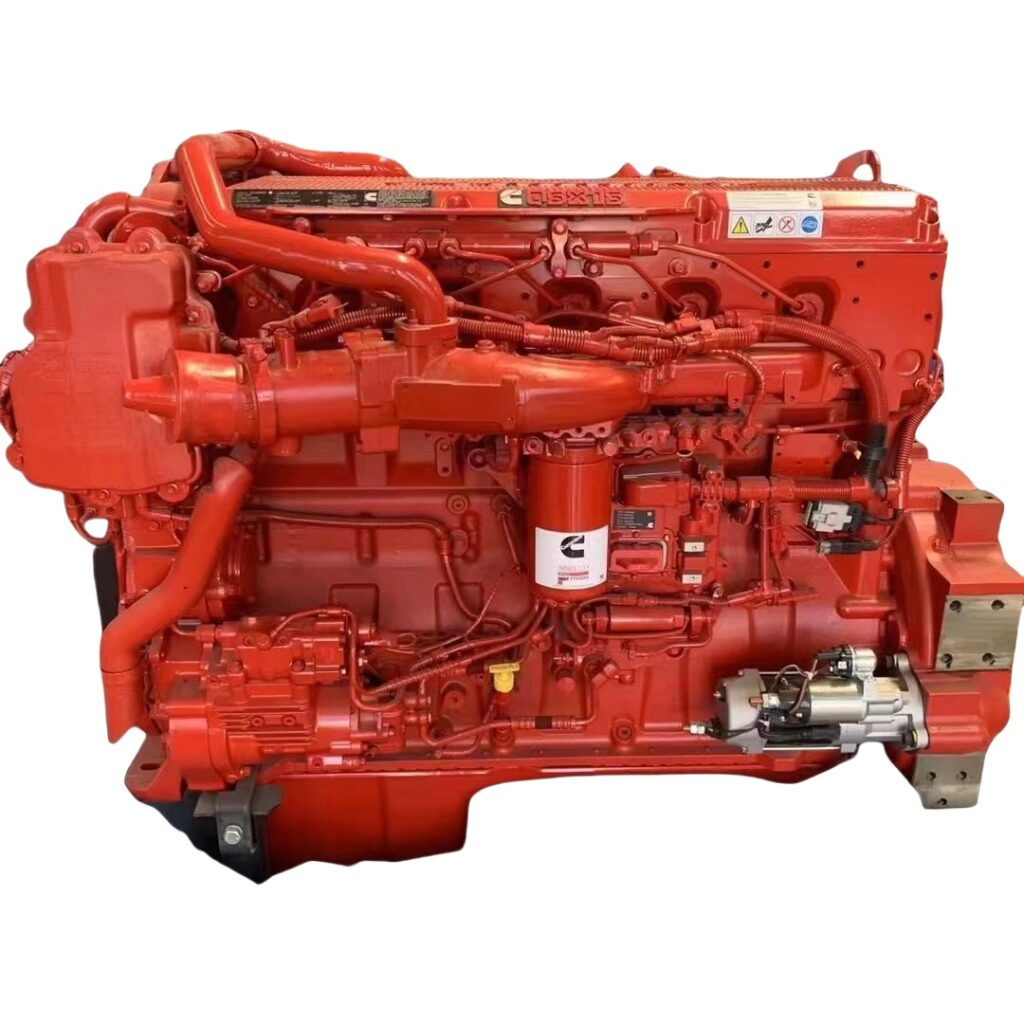
Many engines and core components are influenced by global suppliers such as Cummins Inc., widely used in heavy-duty applications.
Emerging Markets: Durability and Cost Efficiency First
Regions such as Southeast Asia, Africa, and South America have very different operating priorities.
Common characteristics:
- Poor or mixed road conditions
- High demand for repairability and robustness
- Cost-sensitive procurement decisions
- Long vehicle lifecycle with minimal downtime tolerance
In these markets, mechanical simplicity and reliability often outweigh advanced electronics.
2. How a Truck Engine Actually Works
At the core of every truck is the diesel internal combustion engine. Despite different designs, the working principle remains fundamentally the same.
1. Intake Stroke
Air is drawn into the cylinder.
2. Compression Stroke
The piston compresses the air to extremely high pressure, raising its temperature significantly.
3. Combustion (Power Stroke)
Fuel is injected into the high-temperature air, causing spontaneous ignition and forcing the piston downward.
4. Exhaust Stroke
Combustion gases are expelled from the cylinder.
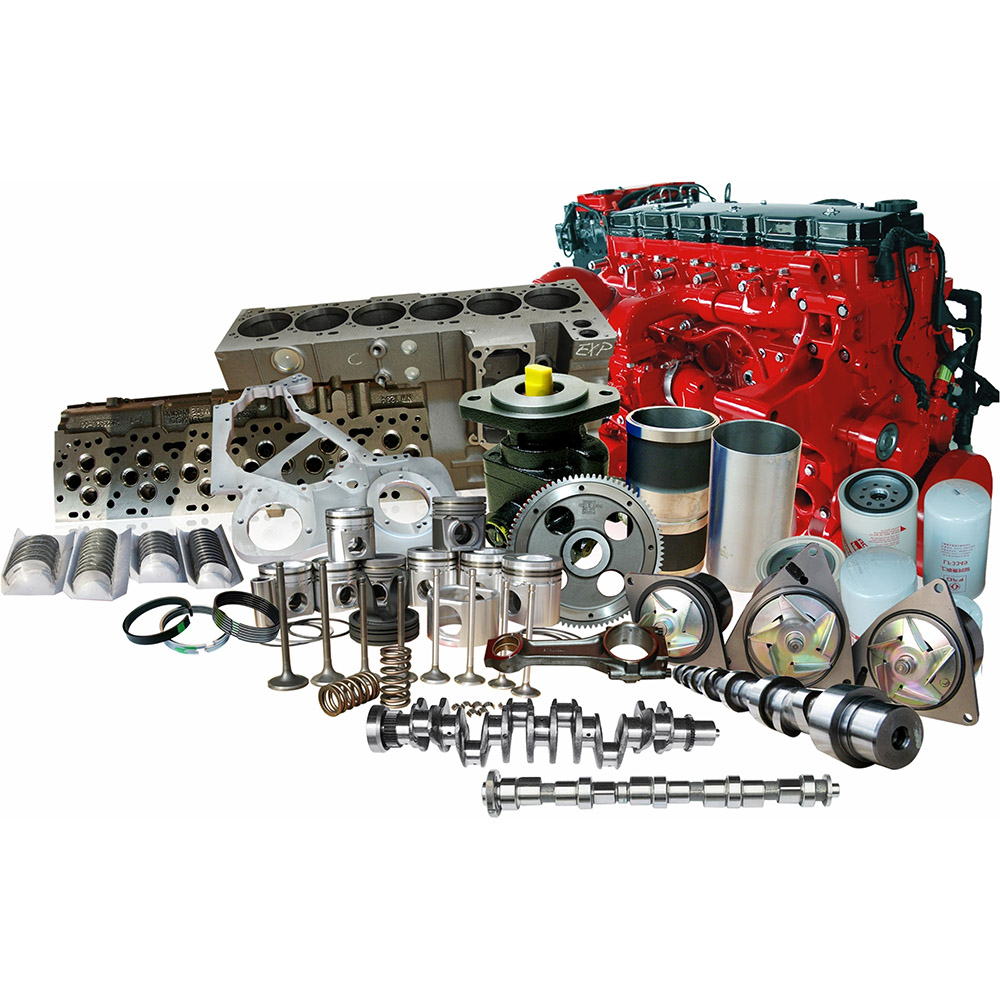
This cycle is continuously repeated through the coordinated movement of the crankshaft, connecting rods, pistons, and cylinder block.
3. Why Truck Engines Are Fundamentally Different from Passenger Car Engines
Truck engines are not designed for speed—they are designed for sustained load and endurance.
Key engineering priorities:
- High torque output at low RPM
- Long service life under continuous heavy load
- Thermal stability under extreme operating conditions
Typical characteristics include:
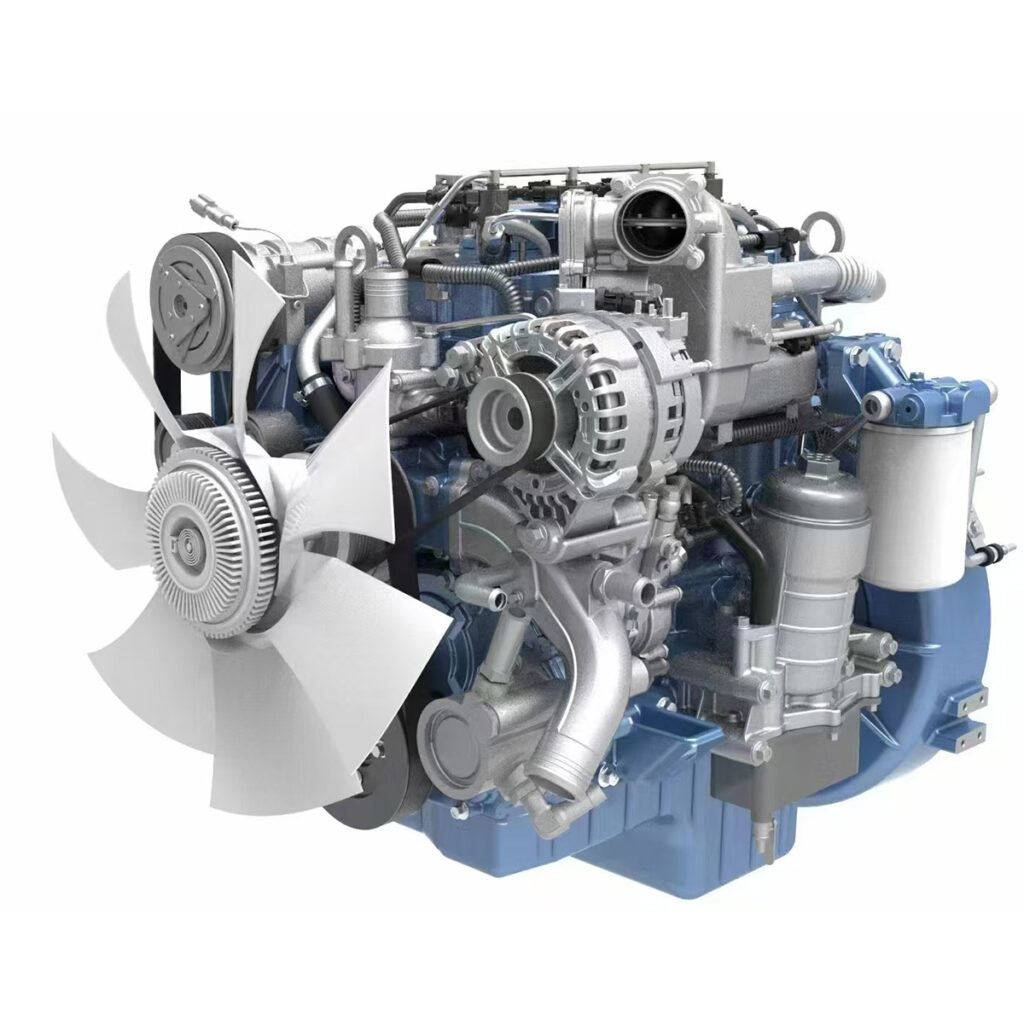
- Large displacement (commonly 10L–16L or higher)
- Low operating speed (usually below 2000 RPM)
- Heavy-duty cooling and lubrication systems
- Reinforced internal components such as crankshafts and cylinder blocks
These requirements explain why heavy-duty engines are structurally much stronger than automotive engines.
4. Global Industry Trends
1. Electrification of Heavy Trucks
Europe and China are leading the development of electric heavy-duty trucks for urban and short-haul logistics.
2. Autonomous Freight Systems
Highway autonomous convoy testing is accelerating in multiple regions.
3. Platform-Based Powertrain Design
Engine, transmission, and axle systems are increasingly modularized for global platforms.
4. Emission Regulations Reshaping the Industry
Stricter emission standards continue to push innovation in combustion efficiency and alternative fuels.
Truck Engines Are Built for Endurance
Unlike passenger vehicles, commercial truck engines are designed to operate under continuous heavy loads for hundreds of thousands or even millions of kilometers.
To achieve this level of durability, manufacturers rely on robust engine structures and precision-machined components.
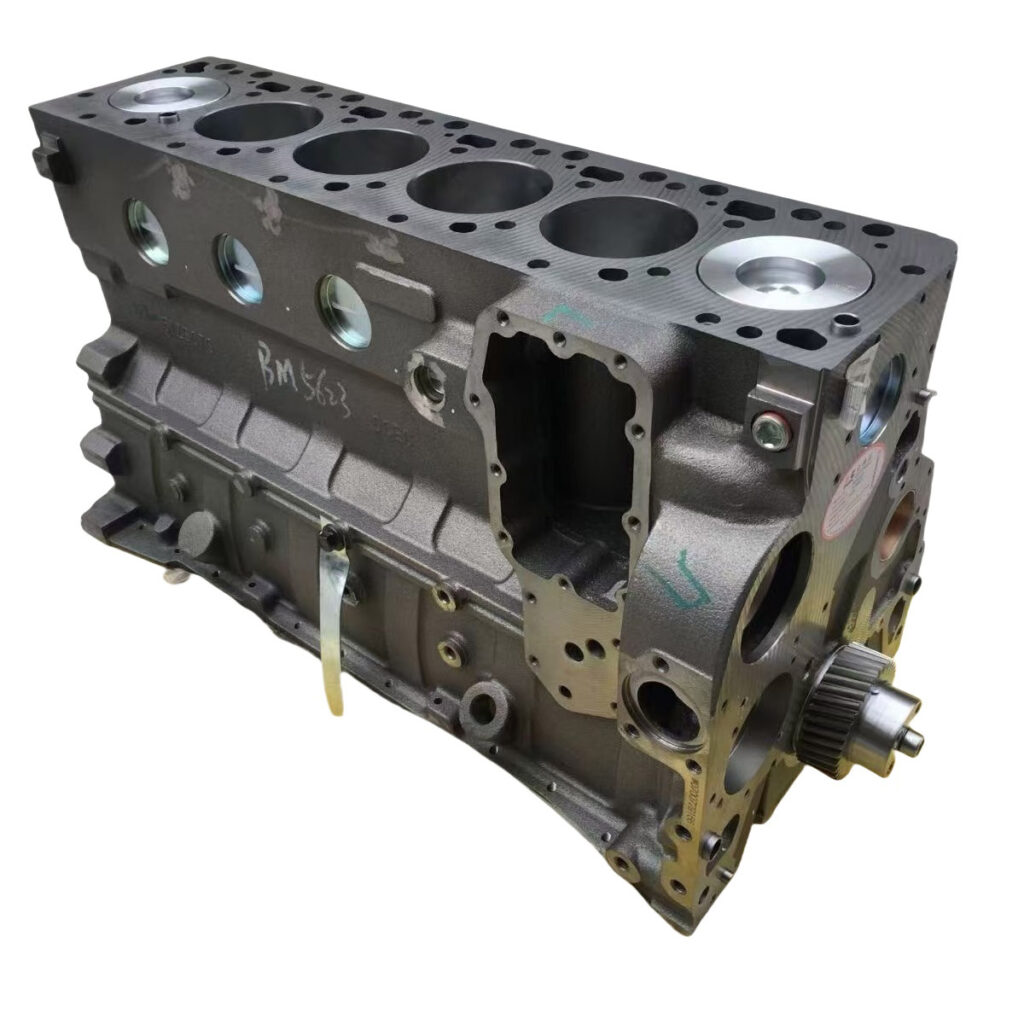
The cylinder block serves as the foundation of the engine, housing the cylinders and supporting the crankshaft assembly. The cylinder head seals the combustion chamber while accommodating valves, injectors, and cooling passages. Together with components such as pistons, connecting rods, camshafts, and crankshafts, these parts form the core of a heavy-duty diesel engine.
When operating in demanding environments such as long-haul transportation, mining, or construction applications, the quality and reliability of these engine components become critical factors affecting vehicle uptime and maintenance costs.
5. Conclusion
The global truck industry is not just a transportation sector—it is a complex industrial system integrating:
- Powertrain engineering
- Materials science
- Electronics and control systems
- Global logistics networks
Understanding trucks means understanding how modern industrial civilization moves goods across the world.