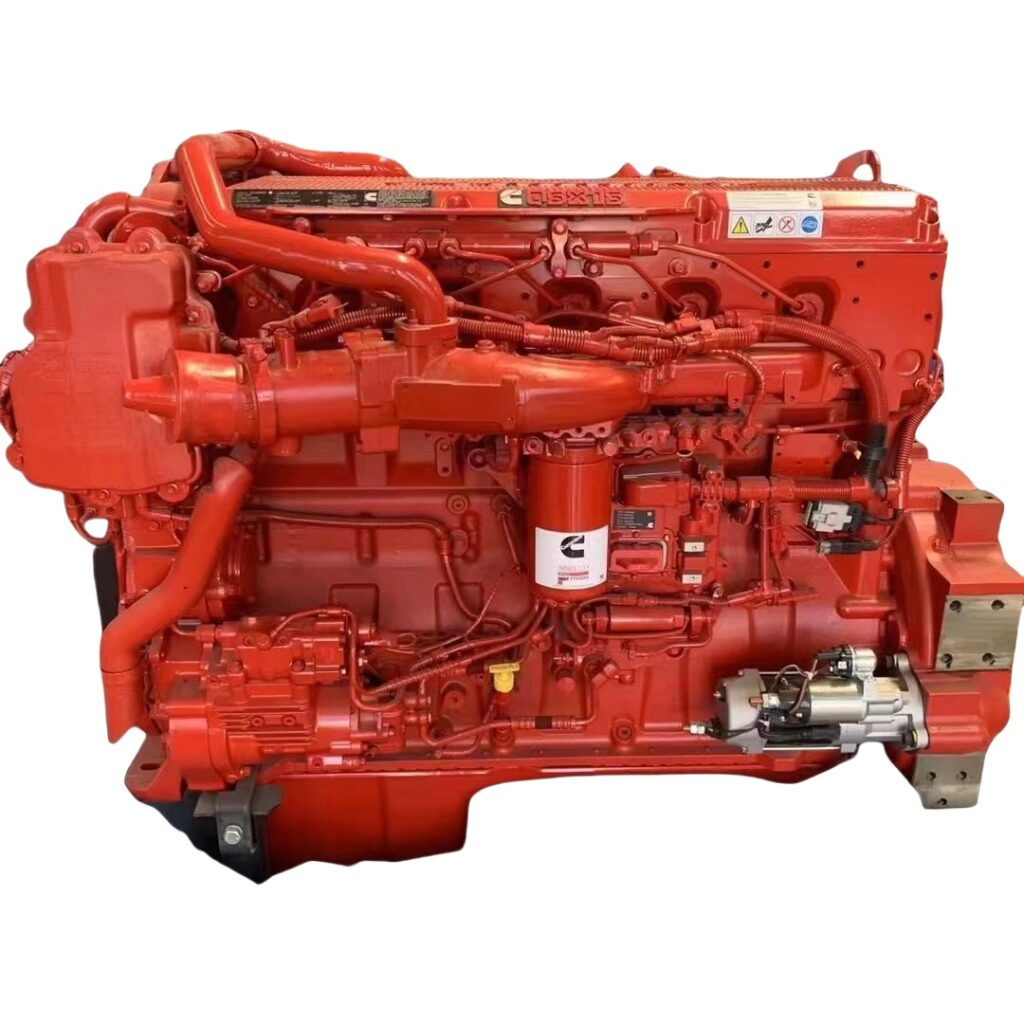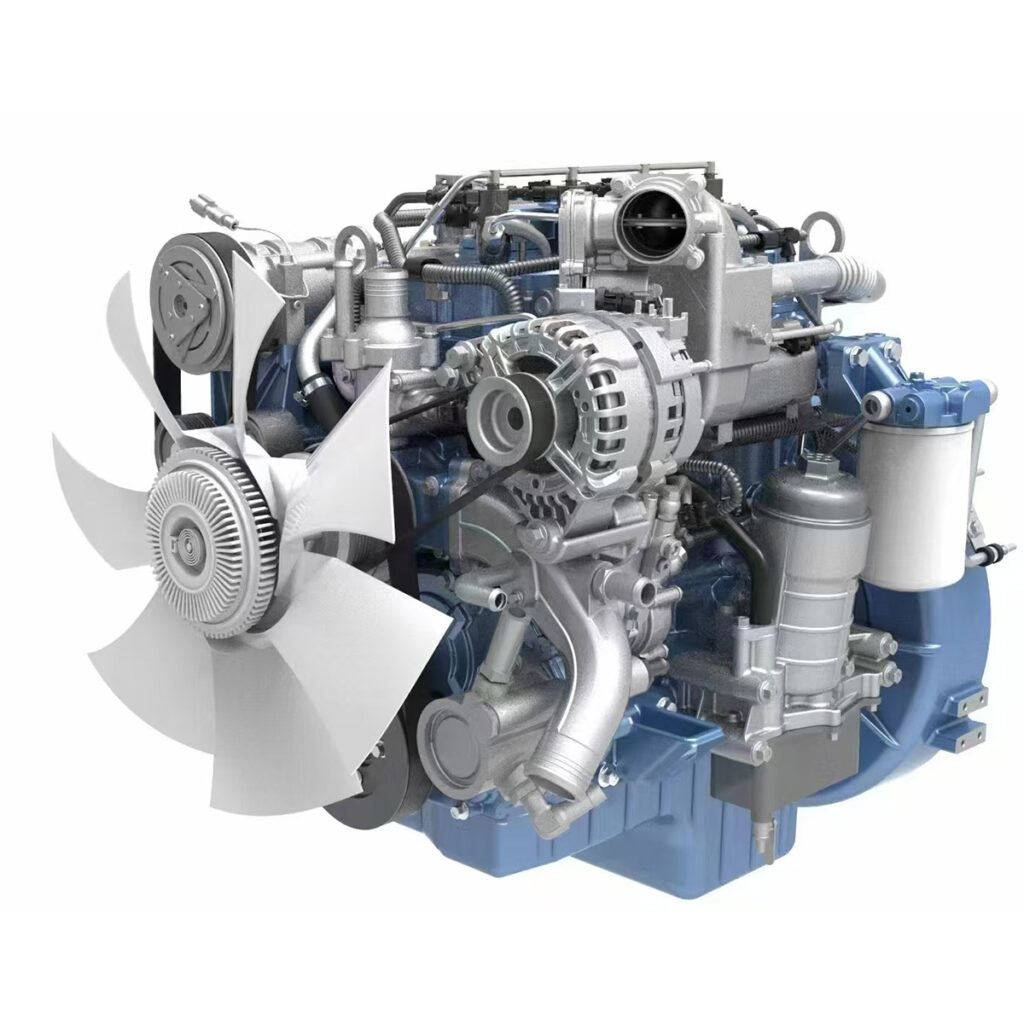
Los motores diésel modernos son máquinas muy sofisticadas, pero, en esencia, dependen de que varios componentes clave funcionen en perfecta sincronización. Ya sea para propulsar camiones de gran tonelaje, maquinaria de construcción, maquinaria agrícola o generadores industriales, la fiabilidad de un motor depende en gran medida de la calidad de sus piezas internas.
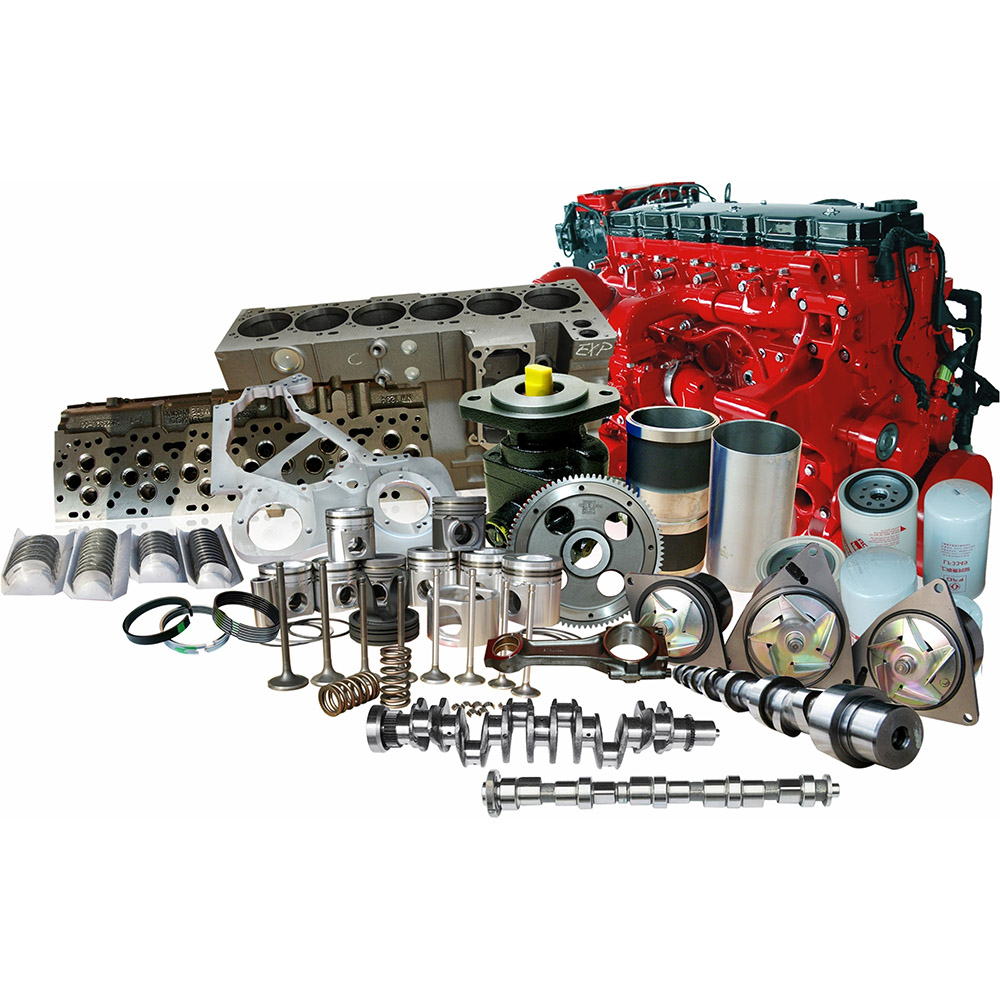
Entre los componentes más importantes se encuentran el bloque de cilindros, la culata, el cigüeñal, el árbol de levas, los pistones, el intercooler y los juegos de juntas. Cada uno de ellos desempeña una función específica en el funcionamiento del motor y en su rendimiento general.
Bloque de cilindros: la base del motor
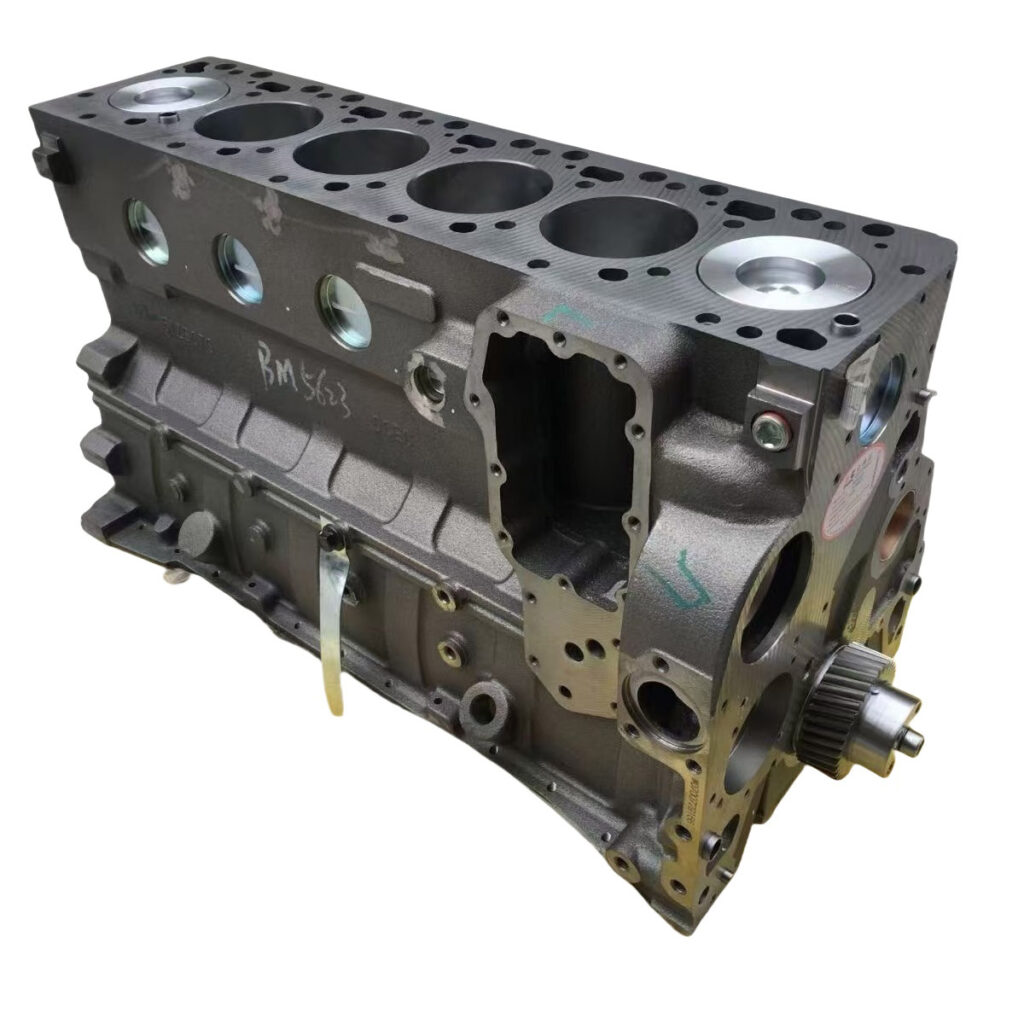
El bloque de cilindros constituye la estructura principal del motor. Alberga los cilindros, donde tiene lugar la combustión, y sirve de punto de fijación para muchos otros componentes.
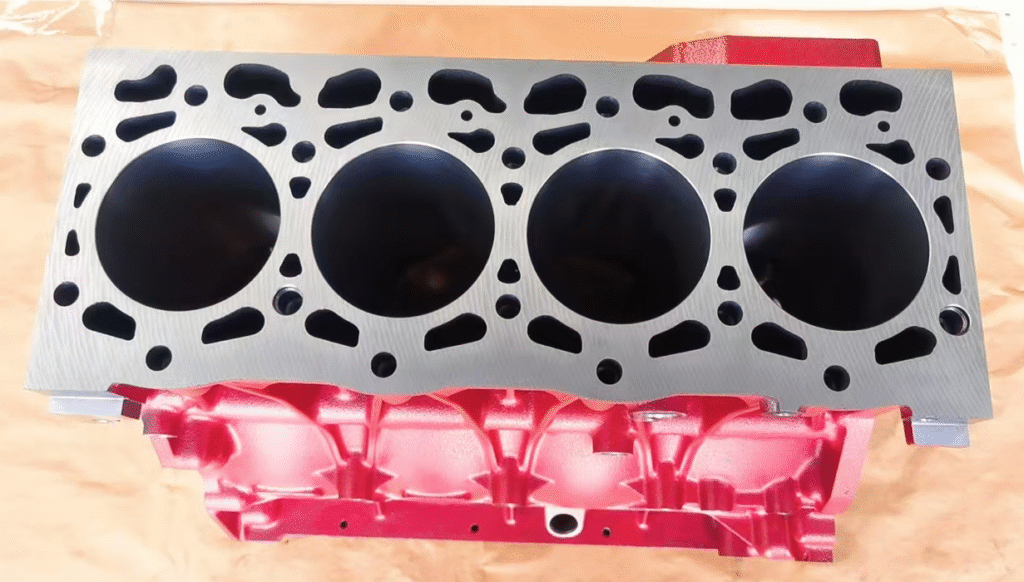
Fabricado en hierro fundido de alta resistencia o en aleación de aluminio, un bloque de cilindros de calidad debe soportar presiones y temperaturas extremas, manteniendo al mismo tiempo unas dimensiones precisas. Cualquier deformación o grieta puede provocar fugas de líquido refrigerante, contaminación del aceite o un fallo total del motor.
Culata: control del aire y la combustión
Fijada con pernos a la parte superior del bloque de cilindros, la culata sella la cámara de combustión y alberga las válvulas de admisión y escape, los orificios de los inyectores y los conductos de refrigeración.
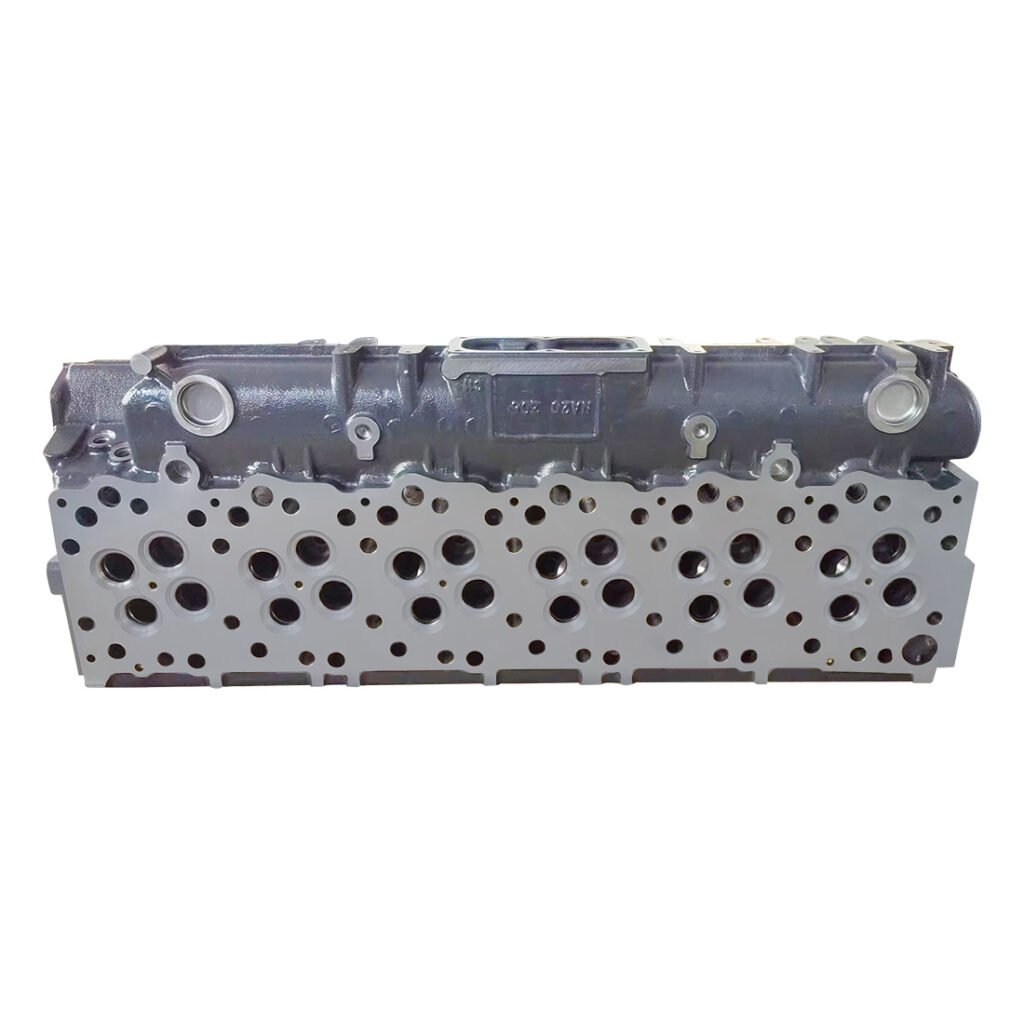
Una culata bien fabricada garantiza un flujo de aire eficiente y una combustión adecuada. En los motores diésel, donde las relaciones de compresión son muy elevadas, la culata debe resistir las tensiones térmicas y mantener un sellado perfecto con el bloque de cilindros.
Cigüeñal: la transformación de la potencia en movimiento
El cigüeñal suele considerarse la columna vertebral de la rotación del motor. A medida que los pistones se mueven hacia arriba y hacia abajo durante la combustión, el cigüeñal convierte este movimiento alternativo en potencia rotativa que, en última instancia, impulsa el vehículo o la máquina.
Los cigüeñales de acero forjado se utilizan ampliamente en motores diésel de gran potencia debido a su excepcional solidez y resistencia a la fatiga. El equilibrado de precisión es fundamental para minimizar las vibraciones y prolongar la vida útil del motor.
Árbol de levas: la sincronización lo es todo
El árbol de levas controla la apertura y el cierre de las válvulas de admisión y de escape. Al funcionar de forma sincronizada con el cigüeñal, garantiza que el aire entre en los cilindros y que los gases de escape salgan en el momento exacto.
Incluso una mínima desviación en la sincronización del árbol de levas puede reducir la eficiencia del motor, aumentar el consumo de combustible y, potencialmente, provocar graves daños internos.
Pistones: el corazón de la combustión
Los pistones funcionan dentro de los cilindros, comprimiendo el aire y transmitiendo la fuerza explosiva de la combustión a las bielas y al cigüeñal.
Los pistones de alta calidad están diseñados para soportar un calor y una presión enormes, al tiempo que minimizan la fricción. Los pistones de los motores diésel modernos suelen estar fabricados con aleaciones avanzadas y cuentan con canales de refrigeración optimizados para mejorar su durabilidad.
Intercooler: mantiene el aire frío
Los motores diésel turboalimentados utilizan un intercooler para reducir la temperatura del aire de admisión comprimido. El aire más frío es más denso, lo que permite que entre más oxígeno en la cámara de combustión y mejora tanto la potencia como la eficiencia en el consumo de combustible.
Un intercooler que funcione correctamente también contribuye a reducir la temperatura de los gases de escape y disminuye la carga sobre los componentes internos del motor.
Kits de juntas: piezas pequeñas con una gran responsabilidad
Aunque los juegos de juntas puedan parecer sencillos, desempeñan un papel fundamental en el sellado del aceite, el líquido refrigerante y los gases de combustión en todo el motor.
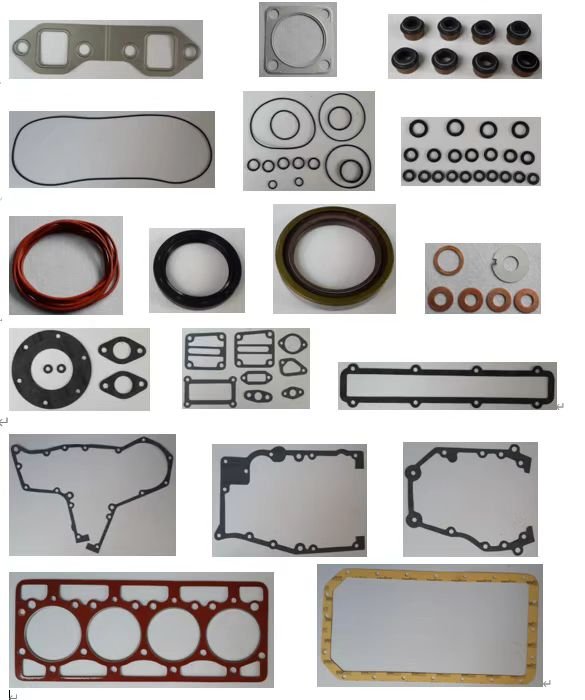
Las juntas de culata, las juntas de cárter, las juntas de la tapa de válvulas y los kits completos de juntas para la revisión general del motor evitan las fugas y mantienen la presión de funcionamiento adecuada. Los materiales de alta calidad de las juntas contribuyen a garantizar la fiabilidad a largo plazo, especialmente en aplicaciones exigentes de uso intensivo.
Cómo funcionan conjuntamente estos componentes
Durante el funcionamiento del motor, el pistón comprime el aire en el interior del bloque de cilindros, mientras que el árbol de levas controla la sincronización de las válvulas a través de la culata. La inyección de combustible desencadena la combustión, lo que empuja al pistón hacia abajo. La biela transmite esta fuerza al cigüeñal, generando energía rotacional.
Por su parte, el intercooler optimiza la densidad del aire de admisión, y el kit de juntas garantiza que todas las cámaras permanezcan perfectamente selladas. Si falla un solo componente, la eficiencia y la fiabilidad generales del motor pueden verse afectadas de forma significativa.
Es importante elegir piezas de motor de calidad
Para los operadores de flotas, los talleres de reparación y las empresas de reconstrucción de motores, la elección de recambios fiables es fundamental para minimizar el tiempo de inactividad y reducir los costes de mantenimiento.
Las culatas, los bloques de cilindros, los cigüeñales, los árboles de levas, los pistones, los intercoolers y los juegos de juntas de alta calidad contribuyen a prolongar la vida útil del motor, a mejorar el ahorro de combustible y a garantizar un rendimiento fiable en las condiciones de trabajo más exigentes.
Tanto si estás reacondicionando un motor diésel como si te dedicas al mantenimiento de una flota comercial, invertir en componentes de motor de alta calidad es siempre una decisión inteligente a largo plazo.